Blood Pressure Readings Explained: What Those Two Numbers Mean
A clear guide to understanding systolic and diastolic blood pressure numbers, what counts as healthy, and how often you should get checked based on your age and risk factors.
Sponsored
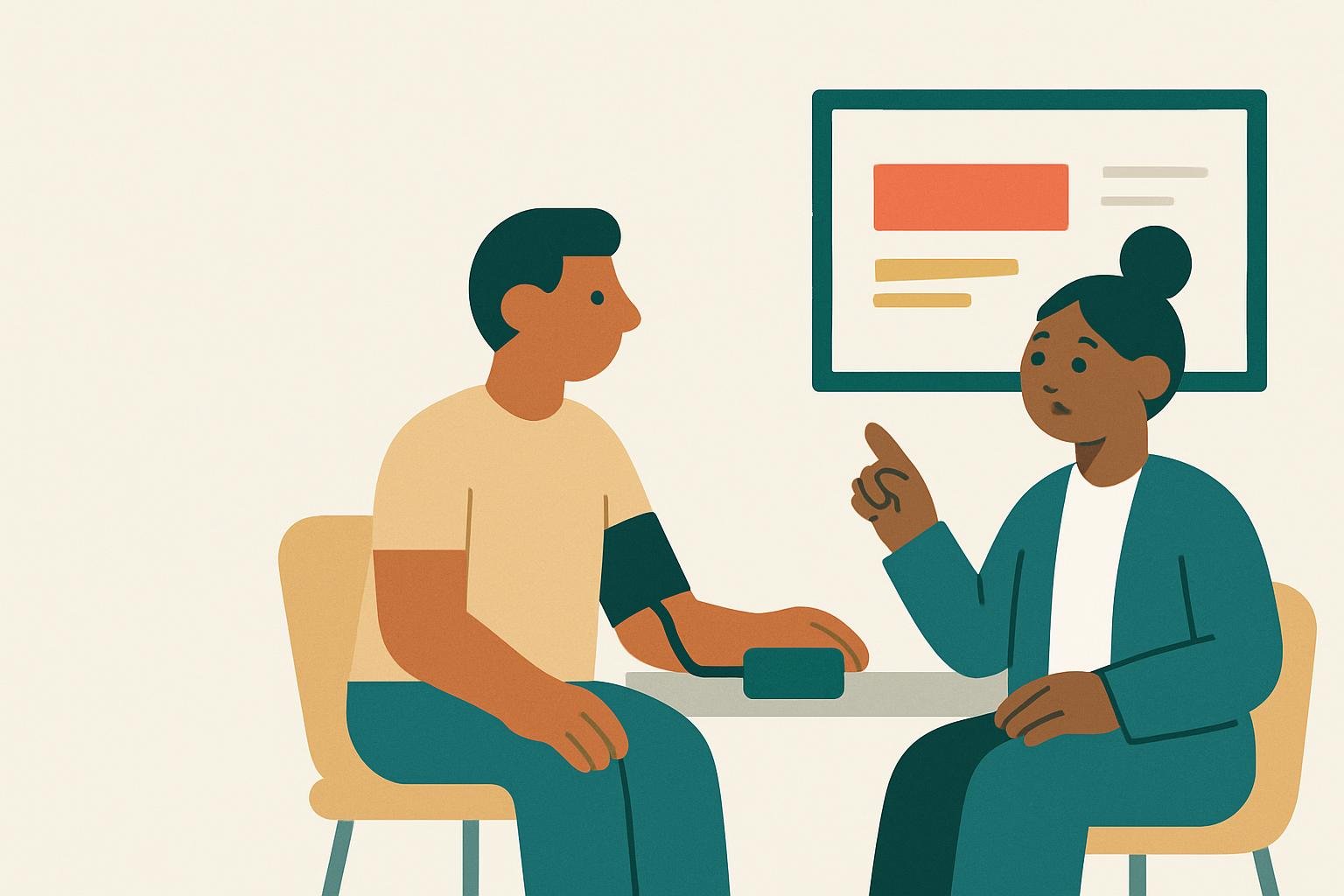
Why Blood Pressure Gets So Much Attention
Blood pressure is one of those numbers doctors check at nearly every visit, and for good reason. It tells you how hard your heart is working and how much force your blood is putting on your artery walls as it moves through your body. Over time, pressure that runs consistently high can quietly damage arteries, strain the heart, and raise your risk for stroke, heart disease, and kidney problems. The tricky part is that high blood pressure rarely causes symptoms you’d notice, which is why regular checks matter more than how you feel on any given day.
Breaking Down the Two Numbers
When you get your blood pressure taken, you receive a reading like 118/76, written as one number over another. These aren’t arbitrary — each one measures something specific.
The top number is your systolic pressure. This measures the force in your arteries when your heart beats and pushes blood out. Think of it as the pressure during the “push.”
The bottom number is your diastolic pressure. This measures the force in your arteries when your heart rests between beats. This is the pressure during the “pause.”
Both numbers matter, but doctors generally pay closer attention to the systolic number as people age, since it tends to rise more with age and is more strongly linked to heart disease risk in older adults.
What the Ranges Actually Mean
Health organizations use general categories to help interpret readings, though your own healthy range can vary slightly based on your age, health history, and other factors. Here’s a general framework:
- Normal: Below 120/80. This is the range associated with the lowest cardiovascular risk.
- Elevated: Systolic between 120-129 and diastolic below 80. This isn’t a diagnosis, but it’s a signal to pay attention to habits like diet, activity, and stress before numbers climb further.
- High blood pressure (Stage 1): Systolic 130-139 or diastolic 80-89. At this stage, a doctor may recommend lifestyle changes and closer monitoring, sometimes alongside medication depending on your overall risk.
- High blood pressure (Stage 2): Systolic 140 or higher, or diastolic 90 or higher. This typically calls for a more active treatment plan, often including medication.
- Hypertensive crisis: Readings above 180/120 require immediate medical attention, especially if paired with symptoms like chest pain, shortness of breath, or vision changes.
One high reading doesn’t necessarily mean you have a chronic condition. Blood pressure naturally fluctuates throughout the day based on stress, caffeine, physical activity, and even how you’re sitting during the reading. That’s why doctors usually want to see a pattern across multiple readings before making a diagnosis.
Getting an Accurate Reading
A few small factors can throw off your numbers more than people realize. Sitting with your back unsupported, talking during the reading, having a full bladder, or having just exercised or had caffeine can all temporarily raise your numbers. If you’re checking your blood pressure at home, try to sit quietly for a few minutes beforehand, keep your feet flat on the floor, and rest your arm at heart level. Taking two or three readings a minute apart and averaging them tends to give a more reliable picture than relying on a single number.
How Often You Should Get Checked
How frequently you need a blood pressure check depends largely on your age, your current readings, and whether you have other risk factors like a family history of heart disease, diabetes, or being overweight.
In your 20s and 30s, if your blood pressure is normal and you have no other risk factors, checking every two years during routine visits is generally sufficient. This is also a good time to establish a baseline, since it becomes a useful comparison point later in life.
In your 40s and 50s, annual checks become more important, even if you feel perfectly healthy. This is often when blood pressure starts to creep up gradually, partly due to natural changes in artery flexibility and partly due to accumulated lifestyle factors.
In your 60s and beyond, more frequent monitoring — sometimes every visit or even at home regularly — is often recommended, since blood pressure-related risks increase with age. If you’re already diagnosed with high blood pressure or another condition like diabetes or kidney disease, your doctor may want to check it much more often, sometimes monthly or even weekly, especially when adjusting medication.
Regardless of age, if you’ve been told you have elevated or high blood pressure, or if you have a family history of hypertension, checking more frequently than the general guidelines suggest is usually a smart move. A home blood pressure monitor can be a worthwhile investment in that case, giving you and your doctor a fuller picture than occasional office visits alone.
Making Sense of Your Own Numbers
Blood pressure isn’t just a number to glance at and forget. It’s a window into how your cardiovascular system is functioning over time, and tracking it consistently helps you and your healthcare provider catch changes early, when they’re easiest to address. If your readings are creeping upward, or if you’re unsure how often you should be checking, it’s worth having a direct conversation with your doctor about a monitoring schedule that fits your personal health picture rather than relying on generic timelines alone.
Remember: this guide is general information, not professional advice for your specific situation. For decisions with real stakes, check with a qualified professional.