How Fiber Supports Gut Health and How to Add More of It
A clear look at how dietary fiber supports digestion and gut health, plus practical, gradual steps for fitting more of it into everyday meals.
Sponsored
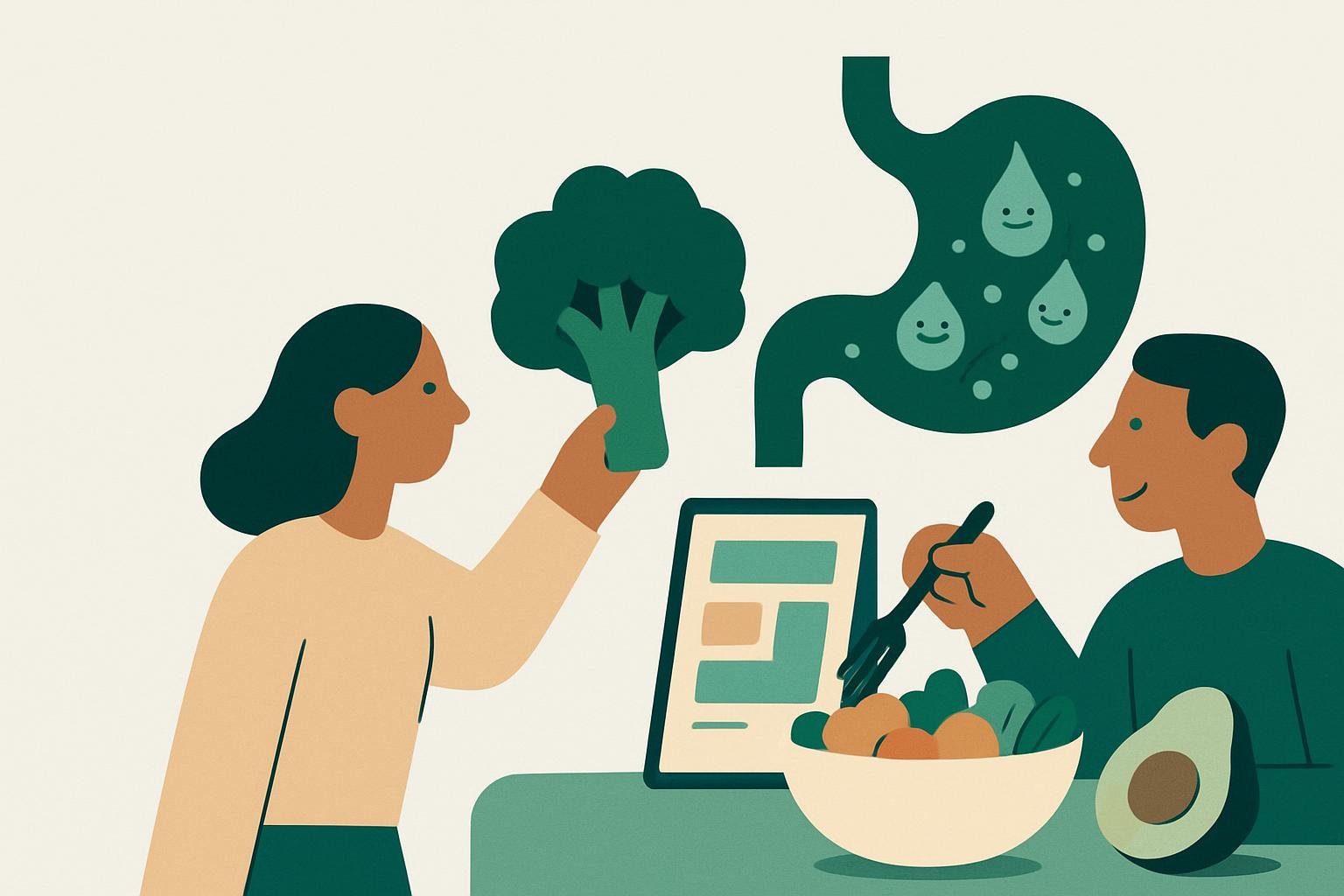
Why Fiber Matters More Than You Might Think
Fiber often gets mentioned in the same breath as “regularity,” but its role in your body goes well beyond keeping things moving. Fiber is the part of plant foods your body can’t fully break down and absorb. Instead, it travels through your digestive system relatively intact, and that’s actually where its benefits come from.
There are two main types: soluble fiber, which dissolves in water and forms a gel-like substance, and insoluble fiber, which adds bulk to stool. Most plant foods contain a mix of both, and each plays a slightly different role in supporting digestion.
How Fiber Supports Your Gut
Your gut is home to trillions of bacteria, often called your gut microbiome, that influence digestion, immune function, and even mood. Many of these bacteria rely on fiber as their primary food source. When fiber reaches your large intestine undigested, gut bacteria ferment it, producing compounds that help nourish the cells lining your colon and support a balanced internal environment.
Insoluble fiber, found in foods like whole wheat, vegetables, and nuts, adds bulk to waste and helps it move through your intestines more efficiently. This can ease constipation and reduce the amount of time waste sits in your colon. Soluble fiber, found in oats, beans, and fruits, slows digestion slightly, which can help you feel fuller longer and may support steadier blood sugar levels after meals.
Together, these effects mean fiber isn’t just about digestion in the narrow sense. It’s connected to how comfortable you feel day to day, how your body manages energy from food, and how well your gut bacteria are supported to do their job.
Signs You Might Need More Fiber
Not everyone needs the exact same amount of fiber, since factors like age, activity level, and overall diet all play a role. That said, some common signs that your fiber intake could use a boost include irregular bowel movements, feeling bloated after meals, or frequently feeling hungry shortly after eating. If you experience persistent digestive discomfort, it’s worth talking to a healthcare provider, since fiber isn’t a one-size-fits-all fix for every digestive issue.
Why Gradual Increases Matter
If you’ve ever added a big serving of beans or bran cereal to your diet and felt uncomfortably gassy or bloated afterward, you’re not alone. A sudden jump in fiber intake can overwhelm your digestive system, especially if your gut bacteria aren’t used to fermenting that much of it yet.
The better approach is to increase fiber gradually over several weeks. This gives your gut bacteria time to adjust and reduces the likelihood of discomfort. Pairing increased fiber with plenty of water is also important, since fiber absorbs water as it moves through your system, and without enough fluid, it can actually contribute to constipation rather than relieving it.
Practical Ways to Add More Fiber
You don’t need to overhaul your entire diet to eat more fiber. Small, consistent swaps tend to work better than dramatic changes.
- Start your day with whole grains. Swap white toast or sugary cereal for oatmeal, whole grain bread, or a bowl of bran-based cereal.
- Leave the skin on. Apples, potatoes, and cucumbers have more fiber with the skin intact, so skip the peeler when you can.
- Add beans or lentils to familiar meals. Toss them into soups, salads, or pasta dishes rather than treating them as a separate side dish.
- Snack on whole fruit instead of juice. Juicing removes much of the fiber that whole fruit naturally contains.
- Choose brown rice or whole wheat pasta. These simple substitutions add fiber without changing how you cook.
- Keep nuts and seeds nearby. A small handful of almonds, chia seeds, or sunflower seeds can boost fiber intake in snacks or on top of yogurt and salads.
Making one or two of these changes a week, rather than all at once, gives your digestive system time to adapt comfortably.
Balancing Fiber With the Rest of Your Diet
While fiber is important, it works best as part of a balanced approach to eating rather than as an isolated goal. Pairing fiber-rich foods with adequate protein and healthy fats can help you feel satisfied and support steady energy throughout the day. It’s also worth remembering that whole foods generally offer more benefit than fiber supplements alone, since foods like vegetables, fruits, and whole grains also provide vitamins, minerals, and other plant compounds that work together in ways supplements can’t fully replicate.
If you have a digestive condition such as irritable bowel syndrome or inflammatory bowel disease, fiber recommendations can look different, and a healthcare provider or registered dietitian can help tailor an approach that fits your specific needs.
Bringing It All Together
Fiber’s role in digestion isn’t just about avoiding discomfort. It’s about feeding the bacteria that support your gut, helping regulate how your body processes food, and contributing to how satisfied and steady you feel after meals. The most sustainable way to get more of it isn’t through drastic changes, but through small, consistent additions to meals you already eat. Over time, those small shifts add up to a gut-friendly pattern that feels manageable rather than restrictive.
Remember: this guide is general information, not professional advice for your specific situation. For decisions with real stakes, check with a qualified professional.