Strength Training for Beginners: Form, Weights, and Routines
A practical guide to starting strength training the right way, covering how to move safely, pick your starting weights, and build a simple weekly routine you can stick with.
Sponsored
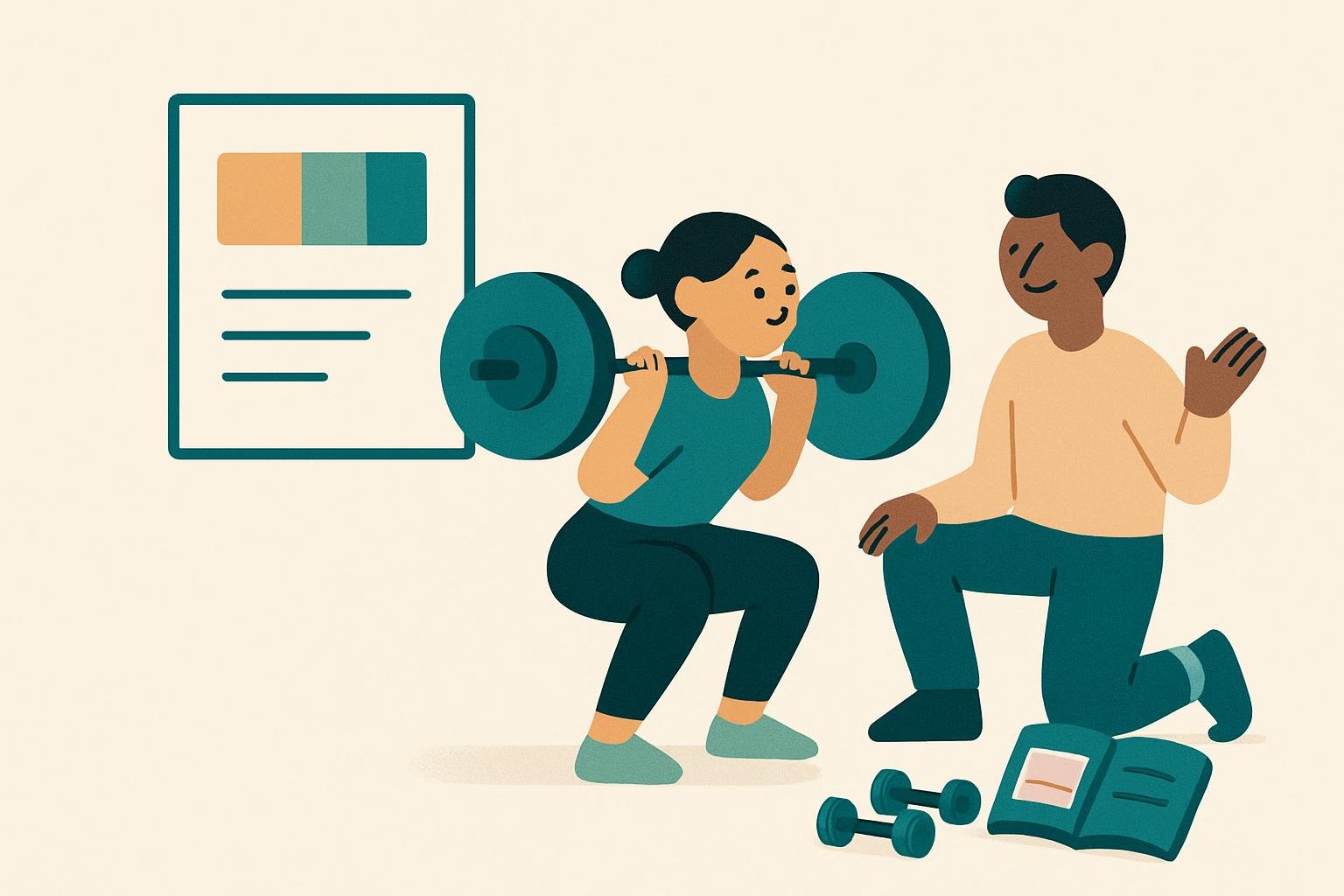
Starting strength training can feel intimidating. Between gym equipment that looks like it belongs in a spaceship and advice that contradicts itself online, it’s easy to freeze up before you even begin. The good news is that strength training doesn’t have to be complicated to be effective. A few basic principles around form, weight selection, and routine structure will get you moving safely and seeing progress within weeks.
Why Strength Training Matters
Strength training isn’t just about building visible muscle. It supports bone density, helps maintain a healthy metabolism, and makes everyday tasks like carrying groceries or climbing stairs easier over time. It also plays a role in joint stability, which can reduce your risk of injury during other activities like running or hiking. You don’t need to lift heavy weights to get these benefits. Consistency matters far more than intensity, especially when you’re just getting started.
Getting Form Right Before Adding Weight
Think of form as the foundation you build everything else on top of. If your movement pattern is off, adding weight just adds stress in the wrong places, which increases your risk of strain or injury.
Focus on these basics first:
- Keep your spine neutral. This means avoiding excessive rounding or arching of your back during exercises like squats, deadlifts, or rows. A neutral spine distributes load evenly and protects your lower back.
- Control the movement. Lowering a weight slowly is just as important as lifting it. Rushing through the lowering phase, often called the eccentric portion, reduces the effectiveness of the exercise and increases injury risk.
- Move through a full range of motion. Partial squats or half-completed push-ups limit the benefit you get from the exercise. It’s better to use a lighter weight and move fully than to load up and cut the movement short.
- Breathe steadily. Holding your breath through an entire set can spike your blood pressure. A common approach is exhaling during the exertion phase, like pushing a weight up, and inhaling as you lower it.
If you’re new to a specific movement, practicing with just your body weight or a broomstick is a reasonable way to build the pattern before adding resistance. Watching yourself in a mirror or recording a short video can also help you catch issues you might not feel in the moment.
How to Choose Your Starting Weight
One of the most common beginner mistakes is picking a weight based on what looks impressive rather than what your body is ready for. A more useful approach is thinking in terms of effort, not numbers.
A practical method many trainers recommend is the “two more reps” test. Choose a weight where you can complete your target number of reps with good form, and you feel like you could do about two more reps before your form would break down. If you’re aiming for 10 reps and you’re struggling by rep 6, the weight is too heavy. If you finish 10 reps feeling like you could do 15 more, it’s time to increase the load slightly.
For most beginner exercises, starting with just body weight or light dumbbells is a sensible entry point. As your body adapts over the first few weeks, you can gradually add small increments of weight, often in 5 to 10 percent jumps, rather than large leaps.
It’s worth noting that some discomfort during a challenging set is normal, but sharp pain, joint pain, or pain that lingers well after your workout is a signal to stop and reassess. If pain persists, it’s worth checking in with a physical therapist or your healthcare provider before continuing.
Building a Simple Weekly Routine
You don’t need an hour in the gym five days a week to see results. A well-structured routine two to three days a week is enough for most beginners to build meaningful strength.
A simple full-body approach works well when you’re starting out, since it trains multiple muscle groups each session and allows for recovery between workouts. Consider structuring your week like this:
- Day 1: Full-body session focusing on major movement patterns, squat, push, pull, and hinge (like a deadlift variation).
- Day 2: Rest or light activity, such as walking or stretching.
- Day 3: Full-body session, similar structure to Day 1 but with slightly different exercises to keep things varied.
- Day 4: Rest or light activity.
- Day 5: Full-body session, or an optional third strength day if your schedule allows.
- Days 6 and 7: Rest, recovery, or lighter movement like walking or yoga.
Within each session, aim for two to three sets of 8 to 12 reps per exercise, with about 60 to 90 seconds of rest between sets. This range tends to build both strength and muscular endurance without requiring you to lift extremely heavy weights right away.
Staying Consistent Without Burning Out
Progress in strength training tends to be gradual, and that’s a good thing. Rapid changes often signal that something is being pushed too hard, which can lead to burnout or injury. Give yourself permission to have easier weeks, especially if you’re feeling unusually fatigued or sore.
Tracking your workouts, even with a simple notebook or phone app, can help you notice patterns and celebrate small wins, like adding a few more reps or a bit more weight over time. If you have any underlying health conditions or haven’t exercised in a while, it’s a good idea to talk with a healthcare provider before starting a new strength training program, so you can tailor the approach to your specific needs.
Remember: this guide is general information, not professional advice for your specific situation. For decisions with real stakes, check with a qualified professional.